
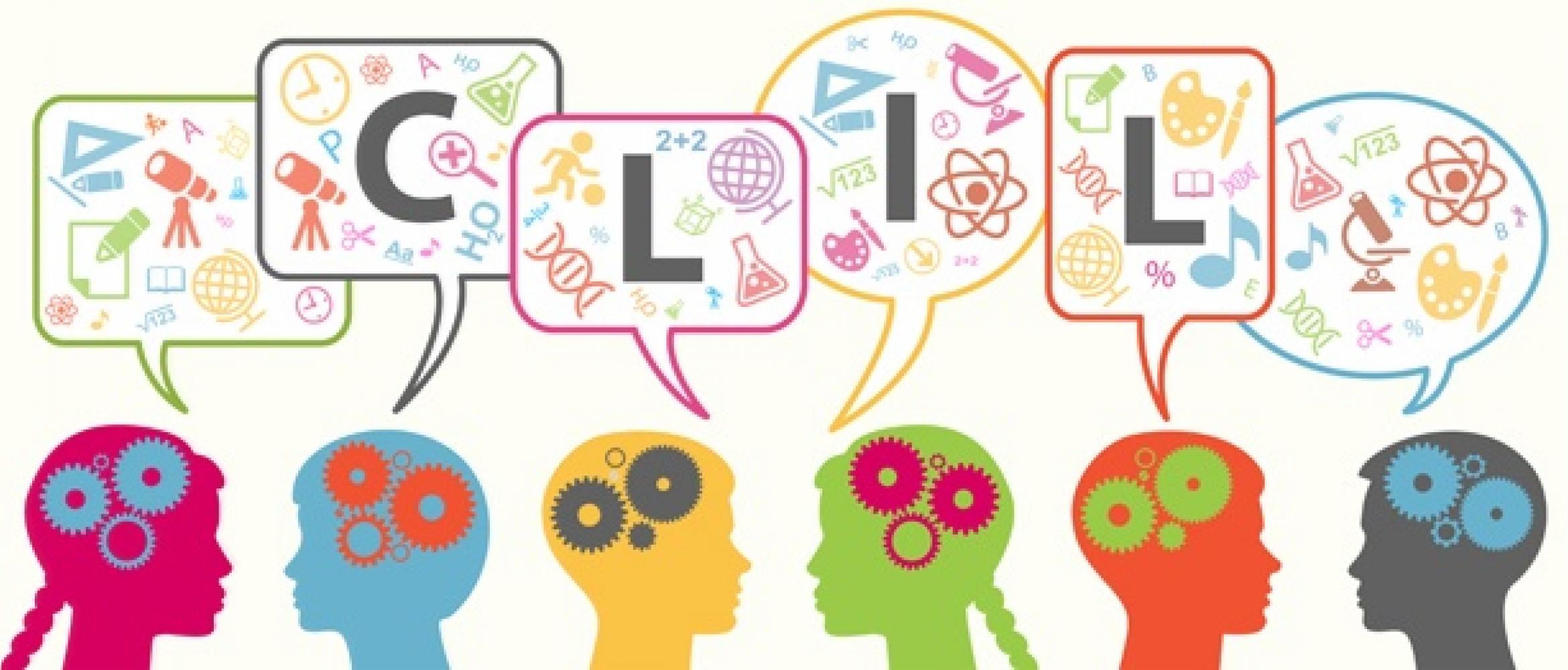
CLIL, or Content and Language Integrated Learning, is an innovative approach to teaching that combines the learning of content with the learning of language. This method is gaining popularity in schools and educational institutions worldwide, and for good reason. The benefits of CLIL education are numerous and can be seen in students of all ages and levels of proficiency.
One of the main benefits of CLIL education is that it allows students to learn content and language simultaneously. This means that they are able to apply their language skills in real-life situations, making the learning process more meaningful and relevant. CLIL also promotes active learning and critical thinking, as students are required to engage with the content and analyze it in a new language. This helps them develop cognitive skills and improves their ability to think and reason.
Another benefit of CLIL education is that it increases students' motivation to learn. By learning in a foreign language, students are exposed to new cultures and ways of thinking. This can be particularly beneficial for students who are learning English as a second language, as it allows them to access content that would otherwise be unavailable to them.
CLIL education also has a positive impact on students' overall language proficiency. By using the language in a content-based context, students are able to develop their vocabulary, grammar, and pronunciation in a more natural way. This can help them achieve fluency more quickly than with traditional language instruction methods.
Furthermore, CLIL education can also help to bridge the gap between different cultures and promote mutual understanding. By learning about different cultures and perspectives, students can develop a greater appreciation and understanding of the world around them.
In conclusion, CLIL education is a holistic approach that has many benefits for students of all ages and levels of proficiency. It allows students to learn content and language simultaneously, promotes active learning and critical thinking, increases motivation to learn, improves overall language proficiency, and promotes mutual understanding. It is a valuable tool for educators looking to enhance their students' learning experience and promote multilingualism.